
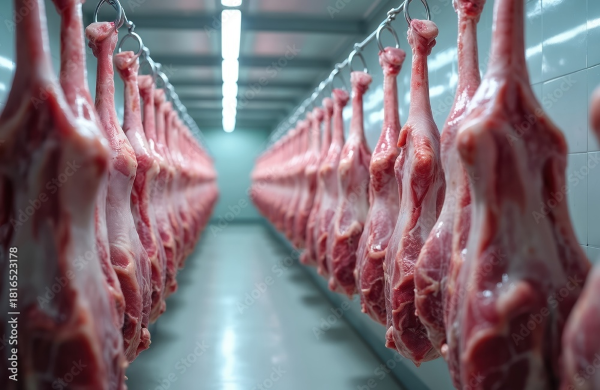
Halal and Agrofood Compliance Certification Services (HACCS) has called for greater investment in dedicated Halal-compliant abattoirs in Nigeria, stressing that the country’s livestock resources and large domestic market provide enormous opportunities for the Halal meat industry.
The call was made at the just-concluded Virtual Halal Expert Talks (VHET) 0.2, themed “Beyond Bismillah: Safe Halal Slaughter, Safe Meat.” The session featured Prof. Awis Qurni Bin Sazili, Director of the Halal Products Research Institute, Universiti Putra Malaysia, as a distinguished guest speaker, sharing expertise in Halal research and meat science. Nigeria with its livestock resources, workforce and strategic location, Nigeria has the potential to become a regional Halal meat production and export hub, serving growing markets across Africa and other international destinations.
The programme emphasized that Halal meat goes beyond the pronouncement of Bismillah. It requires adherence to Islamic principles, animal welfare, hygiene, food safety, traceability, and integrity throughout the production chainfrom farm to table.
The economic potential is substantial. The global Halal meat market was estimated at about US$1.09 trillion in 2025, highlighting the commercial opportunities available to countries capable of developing credible certification systems and export-ready meat value chains.
HACCS therefore urged Muslims to become more conscious of how meat is slaughtered, processed, and handled, while encouraging greater investment in modern Halal-compliant meat facilities.
Speaking at the event, the CEO of HACCS Dr Muhideen Amusa, emphasized the organization’s readiness to support small- and large-scale, new and existing businesses in achieving Halal compliance throughout their production processes. HACCS provides technical guidance, capacity building and compliance assessment leading to the certification of eligible facilities for local and international Halal meat markets.
HACCS reaffirmed its commitment to advancing a Nigerian Halal industry anchored on faith, food safety, integrity, investment and economic opportunity.